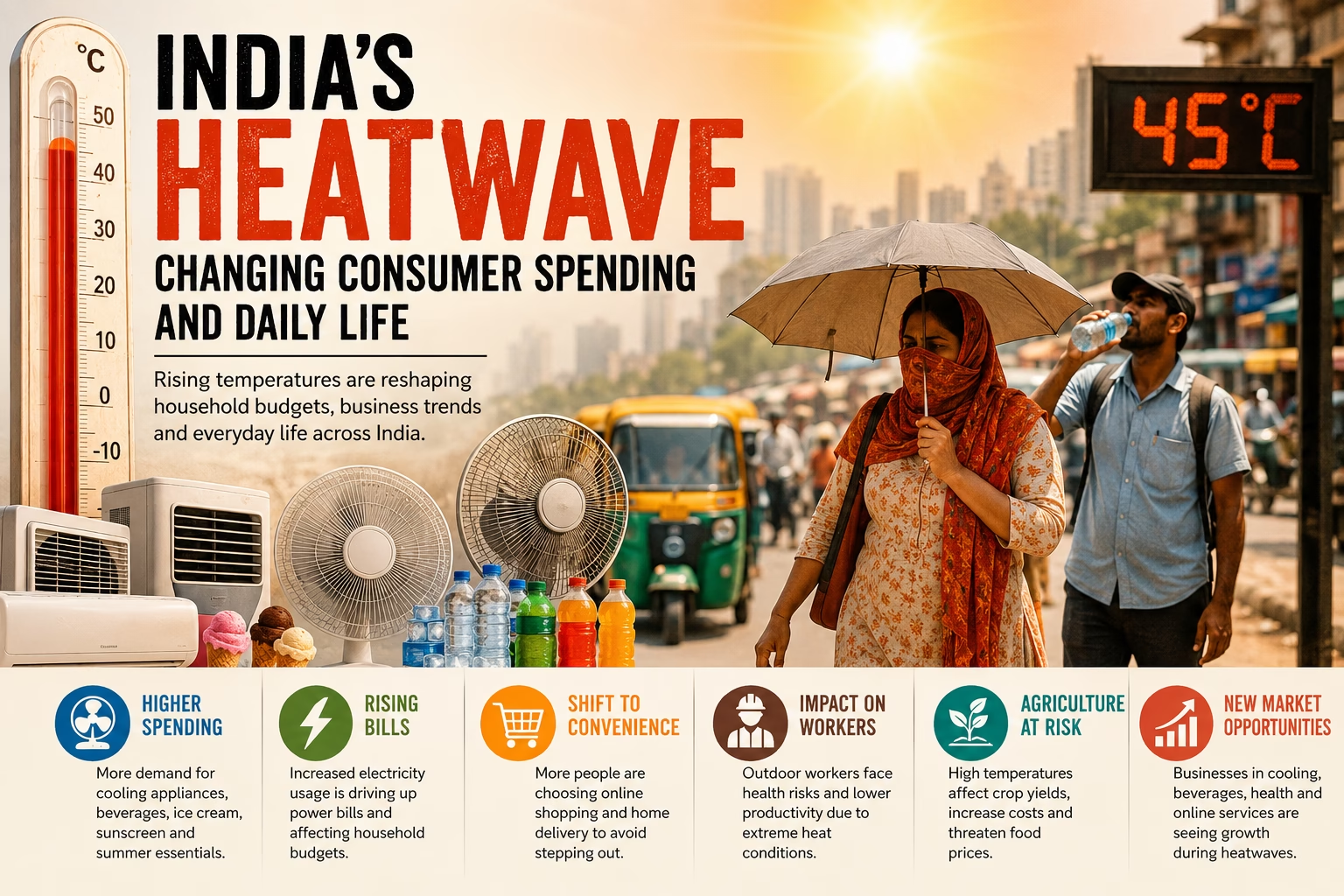
India is known for its hot summers, but in recent years the heat has become more intense and longer-lasting. Across many parts of the country, heatwaves are no longer just a seasonal challenge—they are affecting how people live, work, travel, and spend money. India heatwave impact on economy
From rising electricity bills to changing shopping habits, extreme temperatures are quietly reshaping everyday life. Families are adjusting their budgets, businesses are responding to new consumer needs, and workers are finding ways to cope with difficult conditions. These changes may seem small individually, but together they are having a noticeable impact on the Indian economy.
How Heatwaves Are Affecting Household Spending
When temperatures cross normal levels, people naturally look for ways to stay comfortable. This often means spending more money on products that help beat the heat. India heatwave impact on economy
Many households are buying air conditioners, coolers, fans, water purifiers, and refrigerators. At the same time, demand for cold drinks, ice cream, fresh fruits, and packaged water increases significantly during summer months.
For a family working within a fixed monthly budget, this extra spending often means cutting back in other areas. Some people postpone buying new gadgets, clothing, or luxury items because a larger share of their income goes toward managing the heat.
Rising Power Bills Create Financial Pressure
One of the biggest effects of extreme summer temperatures is higher electricity consumption. Air conditioners and coolers often run for long hours, especially in cities where temperatures remain high even after sunset. India heatwave impact on economy
As a result, electricity bills can increase sharply. Many families notice that summer becomes one of the most expensive seasons of the year.
This increase in household expenses affects overall consumer spending. When people spend more on utilities, they tend to spend less on entertainment, dining out, and other non-essential purchases.
Online Shopping Gets a Boost
Heatwaves are also changing the way people shop.
During extremely hot afternoons, many consumers prefer staying indoors rather than visiting crowded markets. Because of this, online shopping and home delivery services continue to gain popularity.
Whether it is groceries, medicines, food, or daily essentials, people increasingly prefer the convenience of getting products delivered to their homes. India heatwave impact on economy. Businesses that offer fast delivery services often benefit from this shift in consumer behavior.
Challenges for Small Businesses
While some sectors see increased demand, others face difficulties.
Small shops, street vendors, and local markets often experience fewer customers during peak afternoon hours. Many people avoid going outside unless absolutely necessary. India heatwave impact on economy
This reduction in foot traffic can affect daily sales, especially for businesses that depend on walk-in customers. To adapt, some business owners change operating hours or offer delivery options to reach customers more effectively.
Outdoor Workers Face the Toughest Conditions
The impact of heatwaves is especially visible among people who work outdoors.
Construction workers, delivery personnel, farmers, traffic police officers, and street vendors spend hours under direct sunlight. India heatwave impact on economy: Extreme heat can cause exhaustion, dehydration, and lower productivity.
Many employers are now taking precautions such as providing drinking water, shaded rest areas, and flexible work schedules. These measures help protect workers, but they can also increase operational costs for businesses.
Agriculture Feels the Impact
India’s agricultural sector remains highly dependent on weather conditions. When heatwaves arrive during sensitive crop-growing periods, farmers often face serious challenges.
High temperatures can reduce crop yields and increase the need for irrigation. In some cases, production costs rise while output falls. India heatwave impact on economy
If agricultural production declines, food prices may increase, affecting consumers across the country. This creates a direct link between extreme weather and household expenses.
Industries Benefiting From Hot Weather
Not every industry suffers during a heatwave. Some sectors experience strong growth because of changing consumer needs. India heatwave impact on economy
Companies that manufacture cooling appliances often see higher sales during summer. Beverage brands, bottled water companies, and ice cream manufacturers also benefit from increased demand.
Businesses offering online grocery delivery, cooling solutions, and energy-efficient products are finding new opportunities as consumers adapt to hotter conditions.
A Long-Term Economic Challenge
Experts increasingly believe that heatwaves should be viewed as an economic issue as well as a weather event. Rising temperatures can affect productivity, public health, agriculture, energy consumption, and infrastructure. India heatwave impact on economy
As climate patterns continue to change, both businesses and policymakers will need to develop long-term strategies to reduce the impact of extreme heat. Investments in renewable energy, better urban planning, and sustainable cooling technologies may become increasingly important.
Conclusion
Heatwaves are changing everyday life across India in ways that many people are already experiencing. Higher electricity bills, increased spending on cooling products, changing shopping habits, and challenges for workers are becoming common realities. India heatwave impact on economy
These changes show how closely weather and the economy are connected. As temperatures continue to rise, understanding and adapting to these new conditions will be important for households, businesses, and the country as a whole.
The Indian economy is evolving alongside the climate, and heatwaves are becoming an important factor in shaping consumer behavior and daily life.
Tim David to Miss First Match of IPL 2027 After Disciplinary Breach