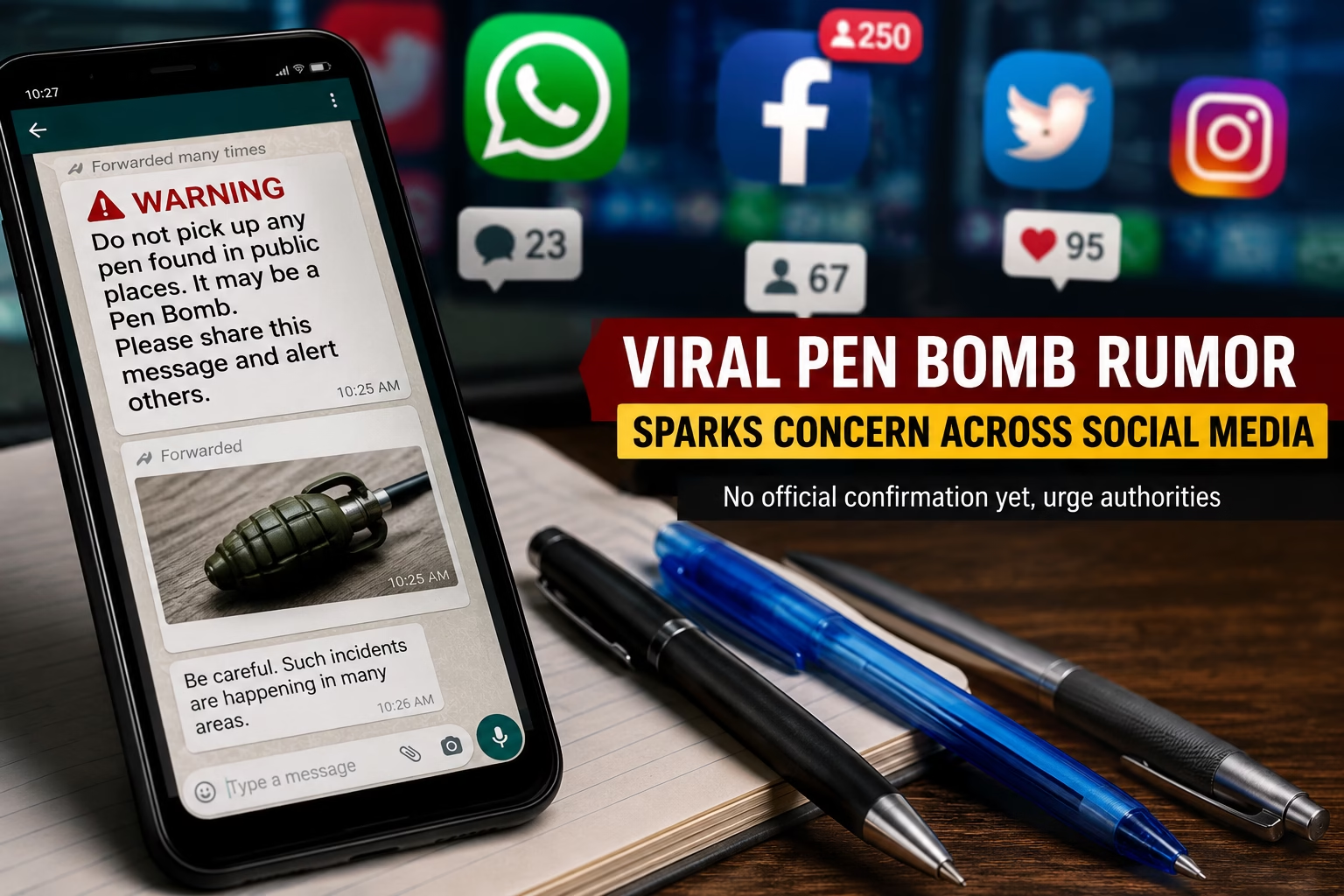
A strange warning has been making the rounds on social media in recent days. From WhatsApp family groups to local community pages, people have been sharing messages claiming that a Pen Bomb is being used to target unsuspecting individuals. The posts urge people not to pick up unknown pens found in public places, warning that they could contain explosive materials.
The messages have spread quickly, largely because they tap into a common fear: the idea that an everyday object could suddenly become dangerous. As more people shared the warnings, the story began to take on a life of its own. Yet despite the growing concern, many of the claims continue to lack clear evidence.
The situation has become a reminder of how easily fear can spread online and why it is important to separate verified information from viral speculation.
A Warning That Traveled Across Thousands of Phones
The rumor first gained attention through forwarded messages claiming that suspicious pens had been found in different locations. According to these posts, the objects looked ordinary but could allegedly explode when touched or opened.
Many of the messages carried an urgent tone. Readers were asked to stay alert, warn their children, and forward the information to as many people as possible. This sense of urgency played a major role in the spread of the story.
Within a short period, the Pen Bomb warning had reached people across different cities and states. For many recipients, the repeated appearance of the same message created the impression that the threat was real.
Why People Took the Claims Seriously
Stories involving public safety often attract immediate attention. When a warning suggests that children or families could be at risk, most people prefer to be cautious rather than ignore it.
That is one reason the Pen Bomb rumor gained momentum so quickly. The messages were designed in a way that encouraged emotional reactions. Instead of presenting facts, they focused on creating concern and urgency.
For parents, the possibility that a child might unknowingly pick up a dangerous object was enough reason to share the warning. In many cases, people forwarded the message simply because they did not want to take any chances.
While the intention may have been good, the rapid sharing also helped spread information that had not been properly verified.
The Role of Social Media in the Panic
Social media platforms have transformed the way information travels. News, opinions, and rumors can reach thousands of people in a matter of minutes.
The Pen Bomb story followed a familiar pattern seen in many viral incidents. A dramatic claim appeared online, users shared it widely, and the message continued to grow without clear confirmation.
Unlike traditional journalism, social media posts often bypass fact-checking processes. As a result, a rumor can gain widespread attention long before anyone investigates whether it is true.
This creates a situation where public perception is shaped not by evidence, but by repetition.
Images Made the Story More Convincing
One reason many people believed the claims was the use of photographs alongside the messages. Images of unusual pens and injury-related pictures were widely shared as supposed proof of the danger.
Visual content has a powerful effect on people. A photograph can create an emotional response much faster than a written explanation.
However, images shared online are not always what they seem. Pictures can be taken from unrelated incidents, edited, or presented without context. When combined with a frightening story, they can make unverified claims appear more believable.
In the case of the Pen Bomb rumor, the images helped increase public concern even though questions remained about their connection to the claims.
Looking Beyond the Headlines
As the story spread, many people began searching for reliable information. They wanted to know whether any official agencies had confirmed the reports and whether there was evidence supporting the warnings.
This search for answers revealed an important issue: much of the information being shared online was based on claims rather than verified facts.
Many viral posts lacked specific details such as dates, locations, police statements, or official investigations. Without such information, it becomes difficult to determine what is true and what is simply speculation.
That does not automatically mean every warning is false, but it does highlight the importance of careful verification.
Staying Alert Without Giving in to Panic
Public safety should always be taken seriously. If someone encounters an unusual or suspicious object in a public area, avoiding contact and informing local authorities is the sensible course of action.
At the same time, caution should not be confused with panic.
The Pen Bomb discussion shows why it is important to remain calm and rely on trustworthy sources. Sharing unverified claims can sometimes create unnecessary fear, especially when there is little evidence to support them.
Being alert to a pen bomb is important. Being informed is even more important.
What This Incident Teaches Us
The viral Pen Bomb scare is about more than just one rumor. It reflects a larger challenge faced by internet users every day.
Information now moves faster than ever before. While this allows people to stay connected, it also means that misinformation can spread just as quickly as legitimate news.
The responsibility does not belong only to journalists or authorities. Every person who uses social media plays a role in deciding whether a claim continues to spread.
A few moments spent checking the Pen Bomb facts can prevent a misleading story from reaching hundreds of additional people.
Conclusion
The Pen Bomb rumor has generated significant discussion and concern across social media platforms. While the warnings have been shared widely, many questions remain unanswered, and verified evidence supporting the claims has been difficult to establish.
The incident serves as a reminder that not everything seen online should be accepted at face value. In an age where information travels instantly, critical thinking has become one of the most valuable tools available.
Until clear and reliable evidence emerges, the Pen Bomb story remains a case study in how quickly fear can spread and why verification matters before hitting the share button.
Gurugram Man Fired After Viral ₹370 Biryani Remark Creates Social Media Storm