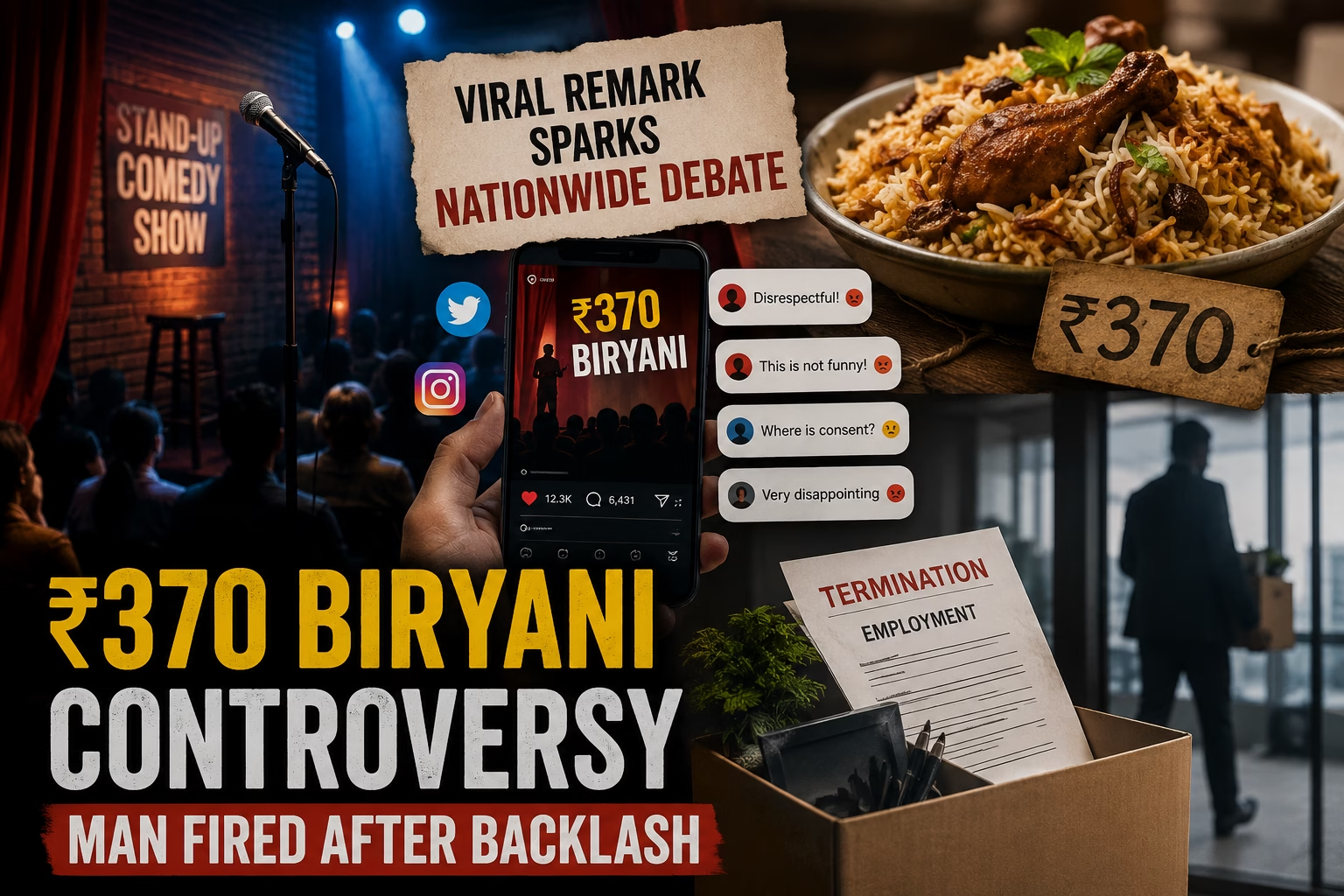
Sometimes a casual comment made in a public setting can have consequences nobody expects. A recent incident from Gurugram has become a major talking point across India after a young professional lost his job following a viral interaction at comedian Pranit More’s stand-up show.
The controversy, now popularly known as the ₹370 Biryani row, has sparked debates about consent, personal responsibility, workplace ethics, and the growing influence of social media on people’s lives.
How the ₹370 Biryani Controversy Started
The issue began during a live comedy performance where Pranit More was interacting with audience members. During the crowd-work session, a man from Gurugram shared an experience about spending ₹370 on a chicken biryani during a date.
As the conversation unfolded, he made remarks suggesting that he expected something in return because he had paid for the meal. While the audience at the venue reacted with laughter, the clip took on a completely different meaning once it was uploaded online about ₹370 Biryani.
Within hours, social media users began sharing the video, criticizing the comments and questioning the mindset behind them.
Why the Video Triggered Strong Reactions
Many people felt the remarks reflected a problematic attitude toward dating and relationships. Social media users argued that paying for food, gifts, or outings does not entitle anyone to expect anything in return.
The discussion quickly shifted from the individual comment to a broader conversation about consent and mutual respect. Several users pointed out that modern relationships should be based on understanding and choice rather than expectations linked to money spent.
As the video gained more attention, the hashtag associated with the ₹370 Biryani controversy began appearing across multiple platforms.
Social Media Pressure Reaches the Workplace
The viral nature of the clip soon led people to identify the individual involved. As discussions intensified online, attention turned toward his employer.
Reports suggest that the company received numerous messages and complaints after the video spread. Following internal review and growing public attention, the organization decided to terminate his employment.
The decision immediately became another controversial aspect of the story.
Some people praised the company for taking a stand, while others felt employment decisions should not be influenced by social media campaigns.
The Debate Over Accountability
One of the biggest questions raised by the ₹370 Biryani controversy is where accountability should begin and end.
Supporters of the company’s action believe individuals should be responsible for public statements that attract widespread criticism. According to this view, organizations have a right to maintain standards that reflect their values.
Others disagree. They argue that a mistake made during a casual conversation should not automatically result in someone losing their livelihood. Critics of the firing believe public criticism is one thing, but professional punishment is another.
This difference of opinion has become a major part of the ongoing debate.
Pranit More Also Finds Himself in the Spotlight
Although the comments came from an audience member, comedian Pranit More also became part of the discussion.
Many social media users questioned ₹370 Biryani whether he should have challenged the remarks more strongly during the show. Others defended him, saying comedians cannot always predict how audience interactions will be interpreted after being shared online.
As criticism continued, More addressed the controversy publicly. However, the discussions surrounding the viral clip did not fade immediately.
A Reflection of Modern Internet Culture
The ₹370 Biryani incident highlights how quickly a moment can spread beyond its original context in the digital age.
A conversation that lasted only a few seconds during a comedy show eventually became a national news story. Millions of people who were not present at the event formed opinions based on a short video clip.
This is increasingly common in a world where smartphones, social media platforms, and viral content can turn ordinary moments into major public debates.
Lessons From the ₹370 Biryani Row
The controversy has encouraged discussions about several important issues:
- The importance of understanding consent and personal boundaries.
- The role social media plays in shaping public opinion.
- Whether online outrage should influence workplace decisions.
- How viral content can affect a person’s reputation and career.
- The responsibility people have when speaking in public settings.
These conversations extend far beyond a single comedy show and reflect larger changes in how society responds to controversial remarks.
Conclusion
The ₹370 Biryani controversy is no longer just about one viral comment. It has become a wider discussion about relationships, accountability, social media influence, and the consequences of public statements.
While opinions remain divided on whether the outcome was fair, the incident serves as a reminder that in today’s digital world, even a brief comment can have lasting effects. What happens in a room full of people can quickly become a topic of national conversation, shaping reputations and careers in ways that were almost unimaginable a decade ago.
OTT Releases This Week: Fresh Movies and Shows Ready to Stream