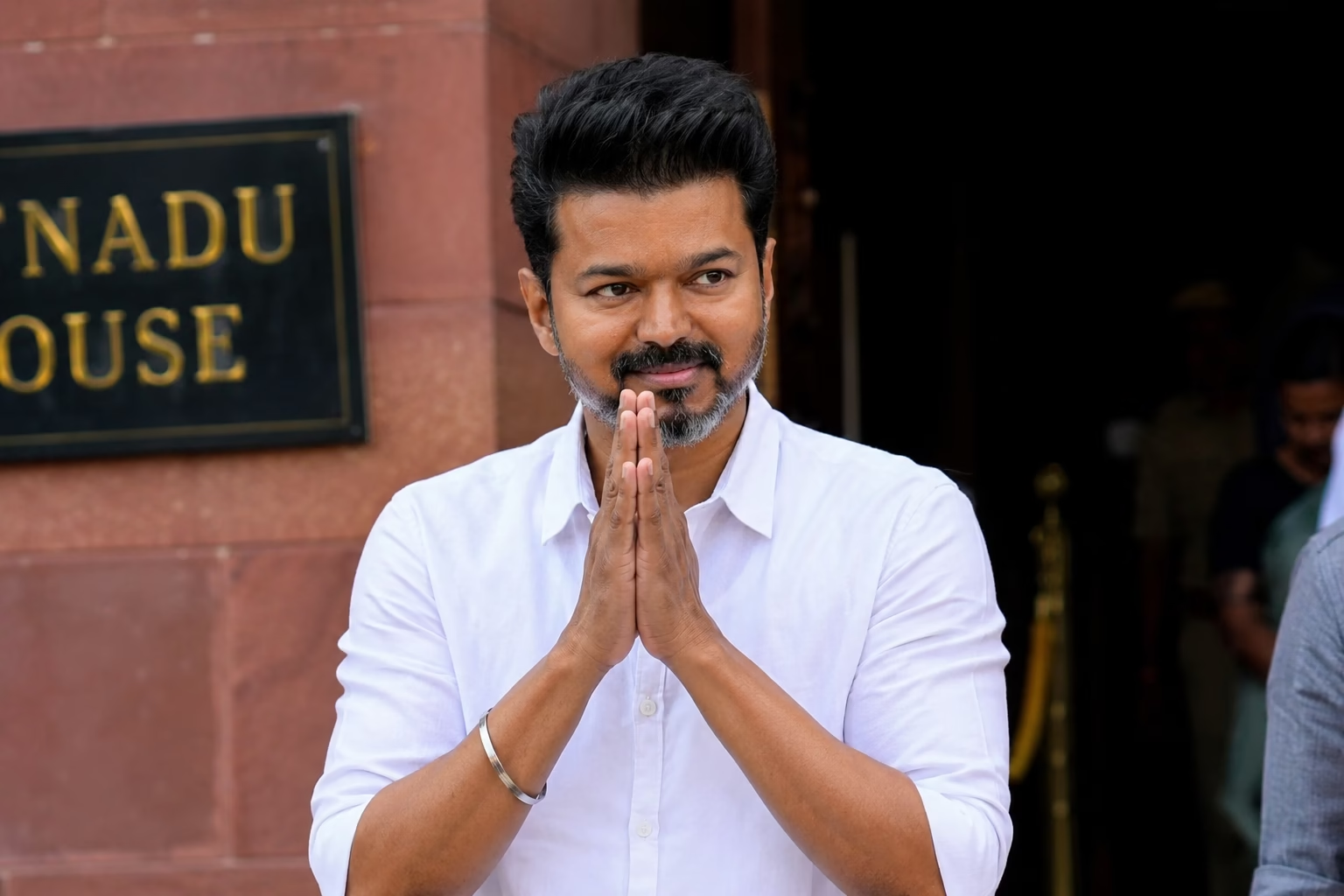
When Tamil Nadu Chief Minister Vijay arrived in New Delhi, political observers expected a visit filled with both administrative discussions and political meetings. Tamil Nadu CM Vijay’s Delhi visit While the Chief Minister held talks on matters related to the state’s development, one thing stood out — he returned to Chennai without meeting senior Congress leaders, a move that immediately sparked discussion in political circles.
However, beyond the political speculation, the visit was largely about the future and the challenges the state hopes to address with support from the central government.Tamil Nadu CM Vijay’s Delhi visit
A Visit Focused on Tamil Nadu’s Needs
For any state government, maintaining communication with the Centre is important for ensuring that development projects move forward smoothly. Vijay’s Delhi trip appeared to follow that path.
During his meetings, the Chief Minister reportedly highlighted issues connected to infrastructure, investment, public welfare, and long-term development. These are areas that directly affect millions of people across Tamil Nadu and remain a priority for the state administration.
The visit also reflected an effort to ensure that Tamil Nadu CM Vijay’s Delhi visit concerns are heard at the national level, especially at a time when states are competing for investments, industrial growth, and improved connectivity.
Political Attention Around Congress Meeting
Before the visit, there had been expectations that Vijay might also meet senior Congress leaders. Since that meeting did not happen, questions quickly emerged about the reasons behind it.
Political analysts have offered different interpretations. Some believe scheduling difficulties may have prevented the meeting from taking place. Others feel the Chief Minister deliberately chose to keep the visit centered on official matters rather than political engagements. Tamil Nadu CM Vijay’s Delhi visit
At this stage, there is no clear indication of any political fallout. In Indian politics, meeting schedules often change due to administrative commitments and unexpected developments.
Why the Visit Matters
Delhi visits by Chief Ministers are rarely just ceremonial. Tamil Nadu CM Vijay’s Delhi visit. They often play a key role in securing approvals, discussing funding requirements, and building coordination between state and central authorities.
Tamil Nadu continues to be one of India’s strongest economic contributors, with major industries in manufacturing, technology, automobiles, and services. To maintain this growth, the state requires continued investment in roads, transport networks, industrial corridors, and public infrastructure.
Vijay’s discussions in Delhi were therefore important not only from a political perspective but also from an economic one.
Expectations From the People
For ordinary citizens, political meetings are often less important than the outcomes they produce. People want better roads, more employment Tamil Nadu CM Vijay’s Delhi visit opportunities, improved public services, and stronger economic growth.
Many residents of Tamil Nadu will now be looking at the practical results of the visit. If discussions in Delhi lead to new projects, faster approvals, or additional support for development programs, the visit will be viewed as a success. Tamil Nadu CM Vijay’s Delhi visit
Looking Ahead
As the Chief Minister returns to Chennai, attention shifts from meetings to implementation. The coming weeks and months will reveal whether the discussions held in Delhi result in meaningful progress for the state. Tamil Nadu CM Vijay’s Delhi visit
Political debates over missed meetings may continue, but the larger question remains whether the visit helps Tamil Nadu CM Vijay’s Delhi visit achieve its development goals. Ultimately, that is what will matter most to the people of the state.
Conclusion
Tamil Nadu Chief Minister Vijay’s Delhi visit may be remembered as much for the meetings that did not happen as for those that did. Yet the central purpose of the trip was clear — to represent Tamil Nadu’s interests and push for development-related priorities. Tamil Nadu CM Vijay’s Delhi visit.. While political speculation continues, the real measure of success will be the impact these discussions have on the state’s future growth and prosperity
IndiGo Shares Rise Despite Q4 Loss: Why the Market Is Looking Beyond the Numbers