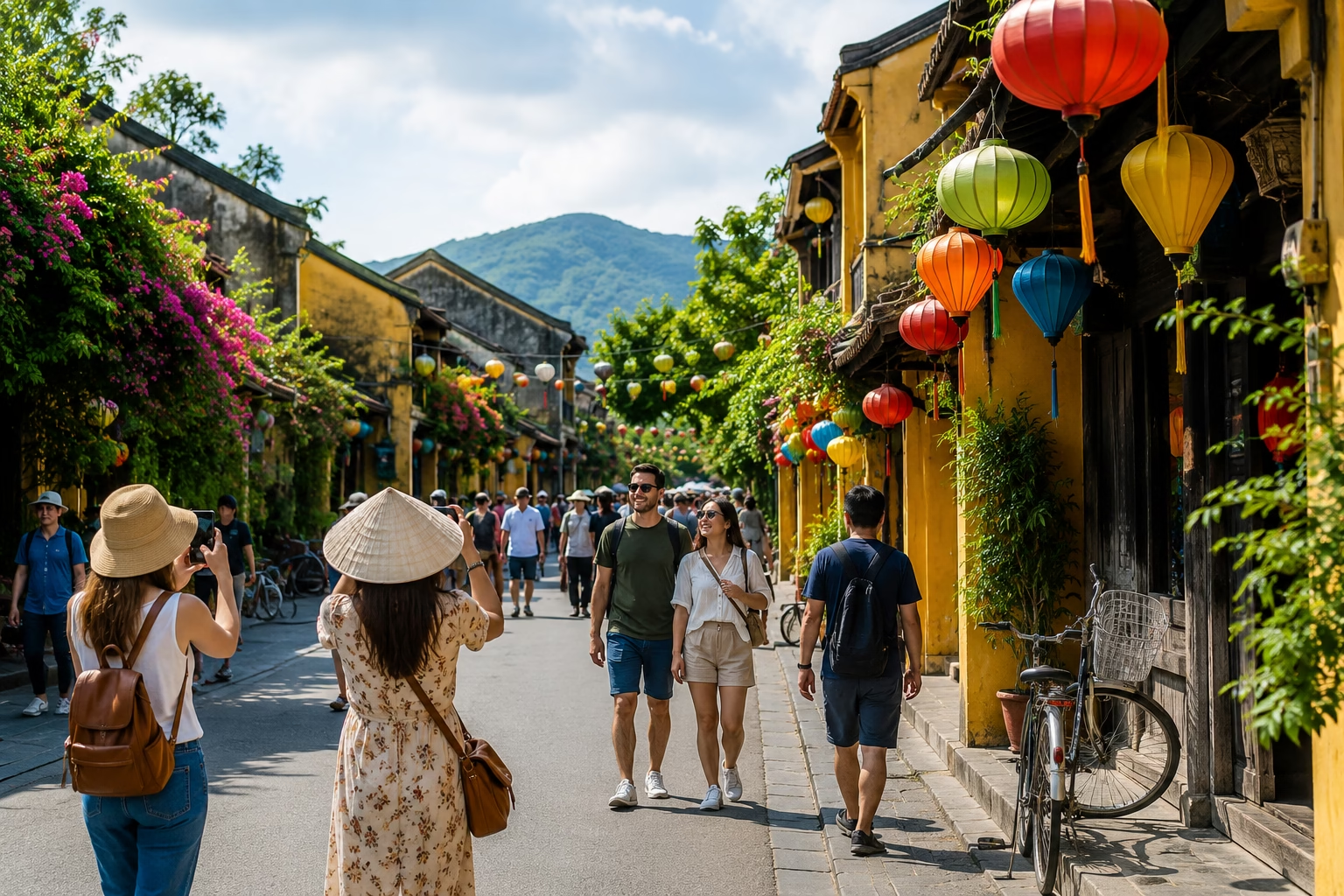
The global travel industry is highly sensitive to geopolitical events. Whenever conflicts arise, airlines, tourism companies, and travelers must adapt quickly to changing circumstances. The ongoing Iran war has created challenges for international travel, particularly for routes that pass through the Middle East. However, amid these disruptions, a surprising trend is emerging across the Asia-Pacific region: smaller cities are attracting more visitors than before. Secondary city tourism in Asia-Pacific
While major tourism destinations continue to draw attention, many travelers are now choosing secondary cities that offer affordability, convenience, and authentic experiences. What began as a response to travel uncertainty is gradually becoming a significant shift in tourism behavior.
Why Travel Patterns Are Changing
The conflict has affected important air corridors used by international airlines. Longer flight routes, higher operational costs, and increasing ticket prices have encouraged travelers to reconsider their plans.
Instead of spending large amounts on long-haul vacations, many tourists are looking for destinations that are easier to reach and provide better value for money. This has created opportunities for cities that were once overshadowed by larger tourism hubs.Secondary -city tourism in Asia-Pacific
Travelers are becoming more practical in their decision-making. Budget, convenience, and flexibility are now major factors influencing destination choices.
The Growing Appeal of Secondary Cities
Secondary cities are urban centers that attract visitors but are not considered the country’s primary tourism destination. These places often possess strong cultural identities, local traditions, and natural attractions that offer a different experience from crowded metropolitan areas.
Many travelers are discovering that these destinations provide exactly what they want: a chance to explore somewhere new without the overwhelming crowds associated with famous tourist hotspots.Secondary -city tourism in Asia-Pacific
Cities such as Chiang Mai, Da Nang, Penang, Cebu, and Fukuoka have become increasingly attractive because they combine modern facilities with local charm.
Unlike larger cities where tourism can sometimes feel commercialized, smaller destinations often provide a more personal and genuine travel experience. Secondary -city tourism in Asia-Pacific
Affordable Travel Is a Major Advantage
One of the strongest reasons behind the rise of Secondary -city tourism in Asia-Pacific
As flight prices continue to fluctuate, travelers are paying closer attention to their overall expenses. Secondary cities frequently offer lower accommodation costs, affordable dining options, and reasonably priced attractions.
For families and budget-conscious travelers, this difference can significantly reduce the total cost of a trip.
Many visitors find that they can extend their stay, explore more attractions, and enjoy a richer travel experience without exceeding their budget.Secondary -city tourism in Asia-Pacific
Regional Tourism Is Becoming Stronger
Another important factor is the growth of regional travel with Secondary -city tourism in Asia-Pacific
Instead of planning expensive trips to distant destinations, many travelers are choosing nearby countries or cities that require shorter flights and fewer connections.Secondary -city tourism in Asia-Pacific
This trend benefits secondary cities because they are often well connected through domestic and regional airline networks. Travelers can reach these destinations more easily while avoiding some of the disruptions affecting major international routes.
As a result, tourism is becoming more evenly distributed across the region rather than being concentrated in a handful of major cities. Secondary -city tourism in Asia-Pacific
Travelers Want Authentic Experiences
Modern tourists are increasingly interested in experiences that feel real and meaningful.
They want to discover local culture, taste traditional food, visit historical sites, and interact with local communities. Secondary cities often excel in these areas because they have preserved much of their original character.
Visitors can explore local markets, attend cultural festivals, and enjoy regional cuisine that reflects the unique identity of each destination.
These experiences create stronger memories and often encourage travelers to return in the future.
Positive Impact on Local Economies
The rise in tourism is bringing economic benefits to many smaller cities.
Hotels, restaurants, transportation providers, tour operators, and local businesses are experiencing increased demand. New employment opportunities are being created, and local governments are investing in infrastructure improvements to support tourism growth.
For many communities, tourism has become an important source of income that helps support long-term economic development.
The increased visibility of these destinations may also encourage additional investment in the future.
Challenges Remain
Although the growth in visitor numbers is encouraging, it also presents challenges.
Cities must ensure that tourism development remains sustainable. Rapid growth can place pressure on transportation systems, public services, and environmental resources.
Local authorities will need to balance economic opportunities with efforts to protect cultural heritage and natural attractions.Secondary -city tourism in Asia-Pacific
Maintaining the unique character of these destinations will be essential for their long-term success.
Looking Ahead
The current shift toward secondary-city tourism could continue even after geopolitical tensions ease.
Many travelers who visit these destinations for the first time discover that they offer a rewarding alternative to traditional tourism hotspots. Positive experiences often lead to repeat visits and recommendations, helping sustain tourism growth over time.
Tourism boards across Asia-Pacific are already promoting lesser-known destinations to capitalize on this growing interest.
Conclusion
The Iran war has undoubtedly created challenges for global travel, but it has also accelerated a change in traveler behavior. As people seek affordable, accessible, and authentic experiences, secondary cities across Asia-Pacific are emerging as unexpected beneficiaries.
What was once considered an alternative travel option is now becoming a preferred choice for many tourists. If current trends continue, smaller cities may play an increasingly important role in shaping the future of tourism in the region.
Tim David to Miss First Match of IPL 2027 After Disciplinary Breach