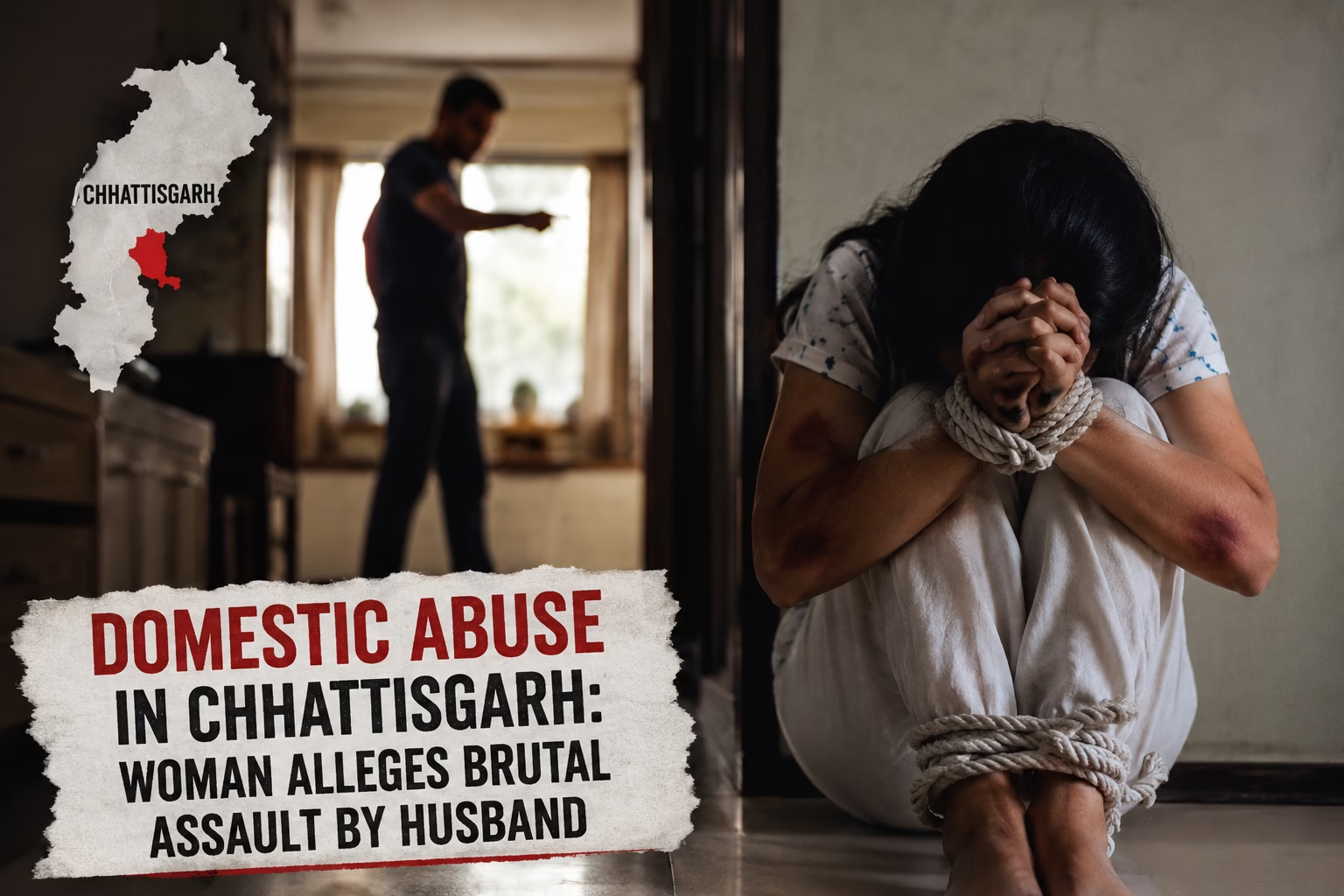
Every day, countless people believe their homes are places of comfort and protection. Sadly, that is not the reality for many victims of Domestic Abuse. Behind closed doors, violence often remains hidden until an incident becomes so disturbing that it forces society to pay attention.
A recent case from Chhattisgarh has drawn widespread concern after a woman accused her husband of subjecting her to severe physical violence and degrading treatment inside their home. According to the complaint, the alleged abuse occurred in front of the couple’s children, making the incident even more distressing.
The allegations are currently under police investigation, and the legal process will determine the facts of the case. However, the incident has once again highlighted the urgent need to address Domestic Abuse as a serious social issue rather than treating it as a private family matter.
An Alleged Incident That Has Sparked Public Concern
According to information shared by local authorities, the woman claimed that she was repeatedly assaulted by her husband during a violent episode inside their residence. Police records indicate that she alleged being restrained and physically attacked before being subjected to further humiliation.
The complaint has shocked many people because of the seriousness of the allegations. While investigators continue to verify every claim, the case has already started conversations about the growing number of Domestic Abuse incidents being reported from different parts of the country.
Violence inside the home often remains invisible until victims find the courage to report it. This case has reminded many people that abuse can happen regardless of education, income, or social background.
Children Were Reportedly Present During the Incident
Among the most heartbreaking details in this case is the claim that the couple’s children witnessed the alleged assault.
Mental health professionals say that children who grow up around Domestic Abuse often experience emotional wounds that cannot be seen. Fear, confusion, anxiety, and insecurity can affect their behaviour, education, and emotional development for years.
Even when children are not physically harmed, repeatedly witnessing violence between parents can change the way they understand relationships and conflict.
Experts believe that protecting children from environments affected by Domestic Abuse should be a priority because the psychological consequences may continue long after the violence ends.
Police Begin Legal Proceedings
Soon after the complaint was received, police initiated legal action and started collecting evidence related to the incident.
The victim underwent medical examination, and investigators began recording statements from witnesses and people familiar with the family. Officials are also examining other evidence that may help establish the sequence of events.
Police have stated that the investigation is continuing and that appropriate legal action will depend on the evidence collected during the inquiry.
As in every criminal case, the allegations will be examined through the judicial process before any final conclusions are reached.
Domestic Abuse Extends Beyond Physical Violence
Many people associate Domestic Abuse only with physical assault, but specialists explain that abuse inside a relationship can take many forms.
Physical Violence
Acts such as hitting, slapping, kicking, pushing, or causing bodily harm are the most visible forms of abuse.
Emotional Harm
Continuous insults, humiliation, threats, and verbal attacks can damage a person’s confidence and mental well-being.
Psychological Control
Many victims experience constant intimidation, fear, isolation, and manipulation that gradually destroy their sense of independence.
Financial Control
Restricting access to money, preventing employment, or controlling household finances are also recognised forms of Domestic Abuse.
Social Isolation
Some victims are deliberately separated from friends and relatives, making it difficult to seek help or escape abusive situations.
Why Many Survivors Stay Silent
One of the biggest challenges in addressing Domestic Abuse is that many incidents never reach law enforcement.
Victims often remain silent because they fear more violence, worry about their children’s future, depend financially on the abuser, or feel pressured by society to keep family matters private.
In many situations, repeated promises of change create false hope, causing survivors to stay in dangerous environments longer than they otherwise would.
Breaking that silence is often the first and most difficult step toward safety.
Legal Protection for Survivors
Indian laws provide several legal protections for individuals facing Domestic Abuse.
Depending on the circumstances, survivors may seek police protection, medical assistance, counselling, shelter, protection orders, and other legal remedies available under the law.
Legal experts encourage victims to report abuse as early as possible because timely intervention can help prevent further violence and strengthen the investigation.
The Emotional Cost of Domestic Abuse
The impact of Domestic Abuse does not end when physical injuries heal.
Many survivors continue to struggle with anxiety, depression, panic attacks, sleep disorders, and loss of confidence. Rebuilding emotional stability often requires professional counselling along with support from family and the community.
Children exposed to violence may also require long-term emotional care to recover from the trauma they have experienced.
Society Has a Responsibility
Ending Domestic Abuse is not solely the responsibility of law enforcement agencies.
Families, neighbours, teachers, healthcare workers, and local communities all play an important role in recognising warning signs and encouraging victims to seek help.
Creating awareness, supporting survivors without judgment, and reporting serious incidents can make a meaningful difference in preventing future violence.
Investigation Continues
Police continue to gather evidence as part of the investigation into the allegations. Medical findings, witness statements, and other material collected during the inquiry will help determine the next legal steps.
Authorities have assured that the matter will be investigated fairly and according to the law. The accused is entitled to due process, and the court will decide the outcome based on the evidence presented.
Conclusion
The Chhattisgarh case serves as another painful reminder that Domestic Abuse continues to affect countless families across the country. While the legal process will determine the truth of the allegations, the incident has once again highlighted the importance of protecting survivors, supporting affected children, and ensuring that acts of violence inside homes are never ignored.
A safe home should be a basic right for everyone. Achieving that goal requires awareness, stronger support systems, timely reporting, and a collective commitment to standing against Domestic Abuse in every form.
UP Property Murder Case: Son Allegedly Kills Family, Later Dies in Betrayal by Friend